

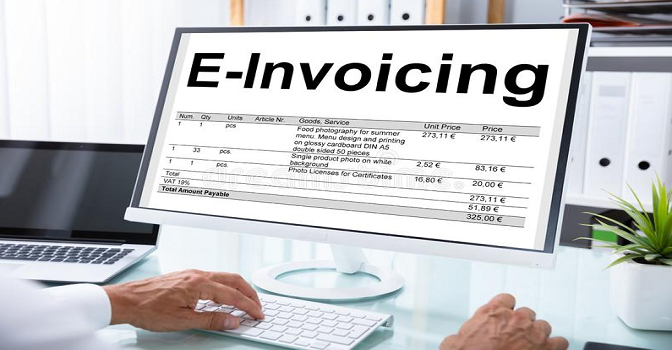
Nigeria is rapidly embracing digital transformation, and tax administration is no exception. One of the most significant developments in recent years is the introduction of e-invoicing, a system that allows businesses to generate, send, and store invoices electronically.
What is E-Invoicing?
E-invoicing (electronic invoicing) is the digital creation and exchange of invoices between businesses and tax authorities. It replaces paper-based invoicing with automated systems that improve accuracy, efficiency, and transparency in financial transactions.
Why E-Invoicing Matters
The adoption of e-invoicing offers several benefits:
- Improved Efficiency: Automates invoice generation and processing.
- Reduced Errors: Minimizes manual mistakes and disputes.
- Greater Transparency: Provides clear, traceable transaction records.
- Enhanced Security: Reduces risks of loss, alteration, or fraud.
- Cost Savings: Cuts expenses related to paper, printing, and storage.
Impact on Tax Compliance
E-invoicing is expected to significantly strengthen Nigeria’s tax system by:
- Enabling real-time transaction monitoring
- Reducing tax evasion
- Increasing government revenue
- Simplifying tax administration
- Improving access to digital tax records for businesses
Challenges to Address
To fully realize its potential, Nigeria must strengthen digital infrastructure, ensure robust cybersecurity, and maintain a clear regulatory framework.
The Way Forward
E-invoicing represents a major step toward a more transparent and efficient tax environment in Nigeria. Businesses that adopt digital systems early will be better positioned to remain compliant, competitive, and future.